Bridging Digital Innovation, Pedagogy, and the Built Environment
I am an Associate Professor of Landscape Architecture at Purdue University where I also direct the department's co-op program, bridging the gap between academic theory and professional practice. Prior to my academic career, my professional design experience focused primarily on large-scale urban design and international tourism, experiences that continue to ground my current research in real-world applications.
My research operates at the intersection of emerging spatial technologies and design pedagogy. Through my work with the SPACE lab and the VIP GAINS team, I explore the practical application of artificial intelligence and machine learning in landscape architecture. Rather than focusing on technical code or software development, my research emphasizes methodology; specifically, how computer vision can be deployed for automated behavioral observation, and how digital twin simulations can revolutionize site inventory and analysis. In tandem with these technological explorations, my Scholarship of Teaching and Learning (SoTL) research closely examines curricular processes and objective learning outcomes to ensure these advanced tools are effectively integrated into design education.
Design is not limited to the landscape; it is a holistic mindset that extends to the physical objects we interact with daily. As an active maker, I enjoy the tactile process of bringing a concept into reality, whether that means utilizing Grasshopper scripts for high-resolution resin 3D printing, building custom audio amplifiers and speakers, or organizing the woodshop to turn custom fountain pens. When I am not in the lab or the studio, I teach and practice landscape photography, follow hockey, baseball, and golf, and travel for food and culture.
Works in Progress
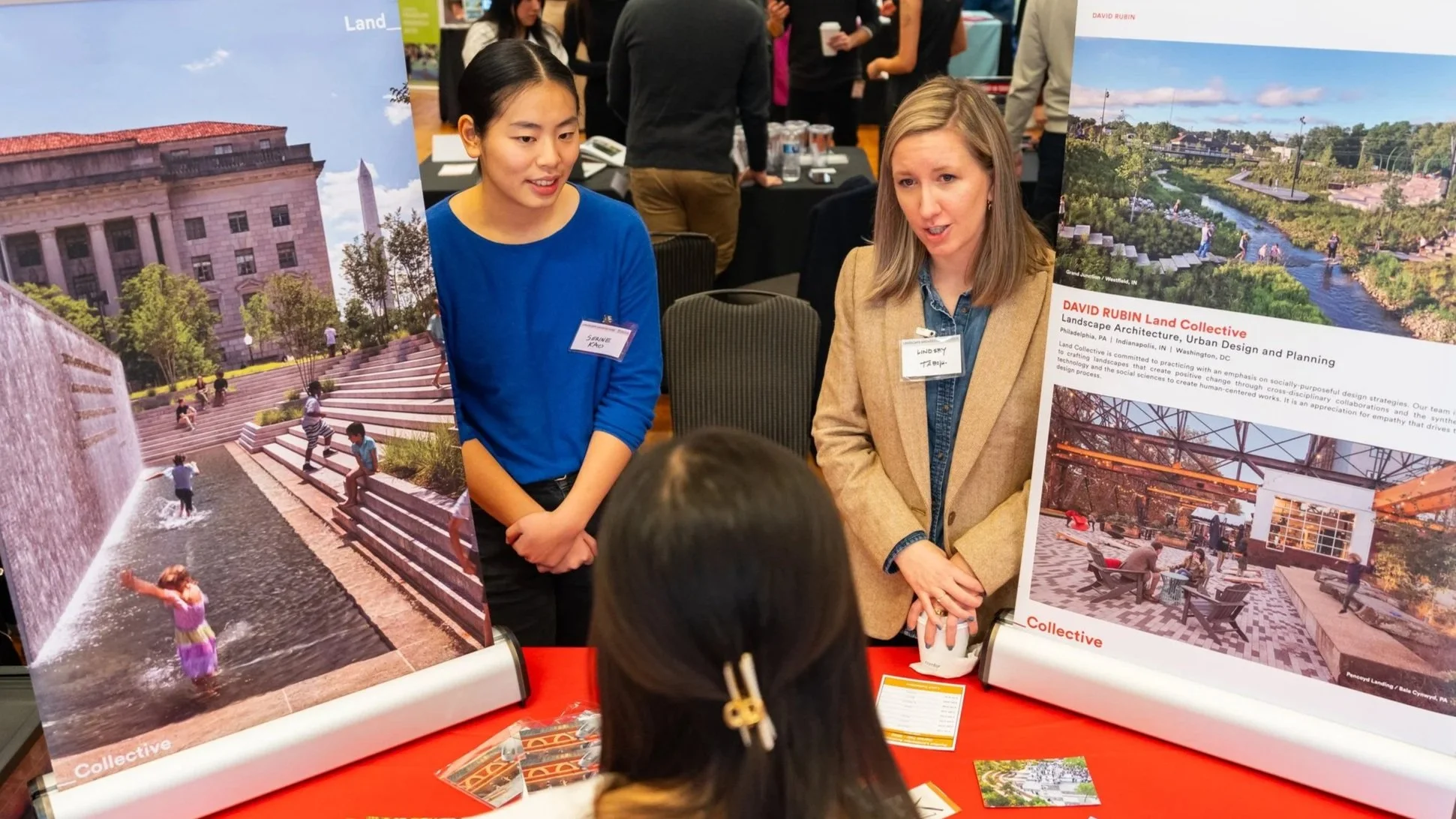
Tracking Student Outcomes
Developing new SoTL papers focused on training the next generation of designers. This research analyzes the correlation between curriculum pacing, academic achievement (GPA and awards), and student well-being across distinct matriculation cycles, along with fears and lessons learned from students compared against employer expectations.
Scholarship of Teaching and Learning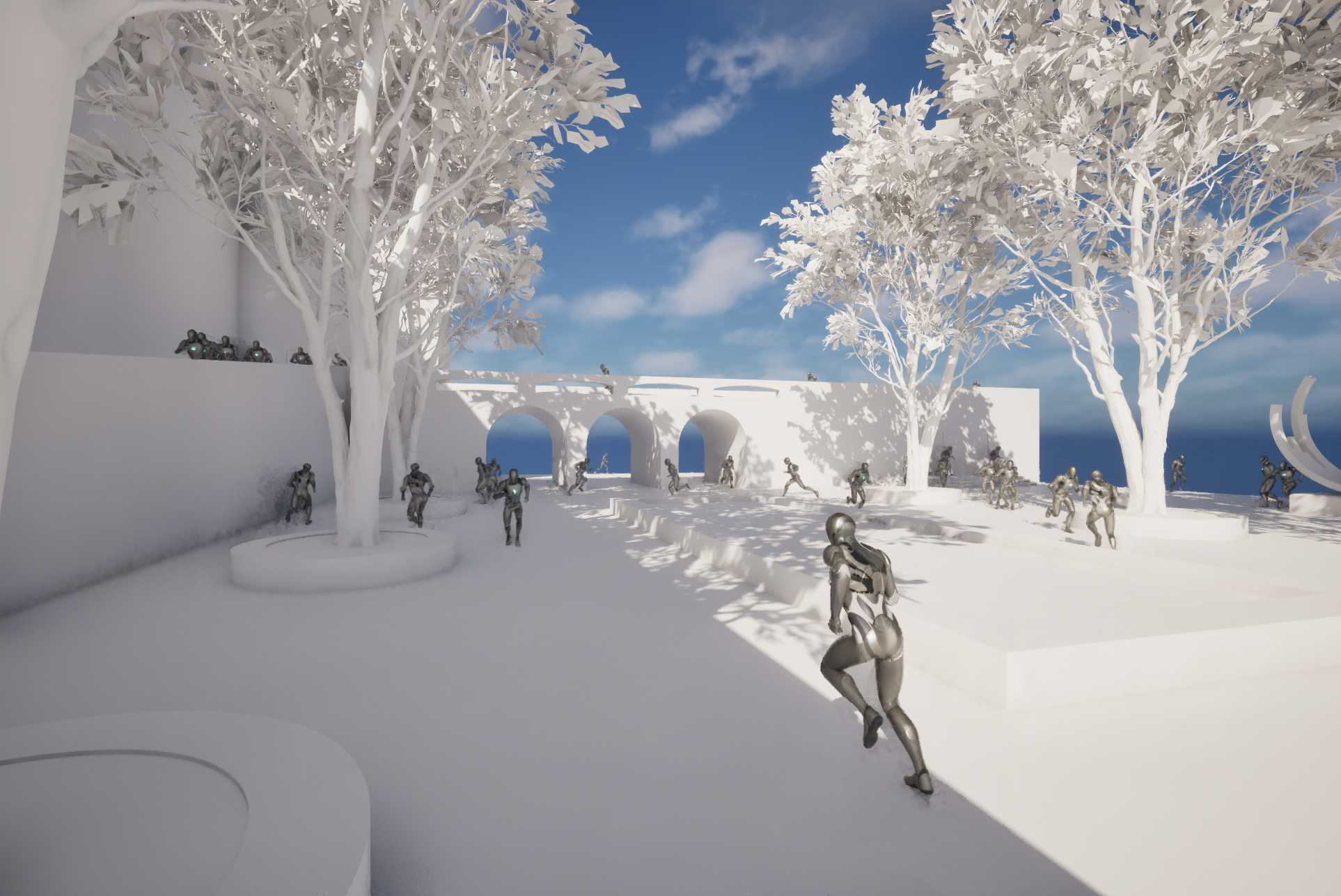
Dynamic SPACES Simulations
Pushing the boundaries of our SPACE digital twin models by integrating new environmental variables. Current lab work focuses on automating realistic human behavioral responses to specific weather effects and localized, time-based events.
Artificial Intelligence and Machine Learning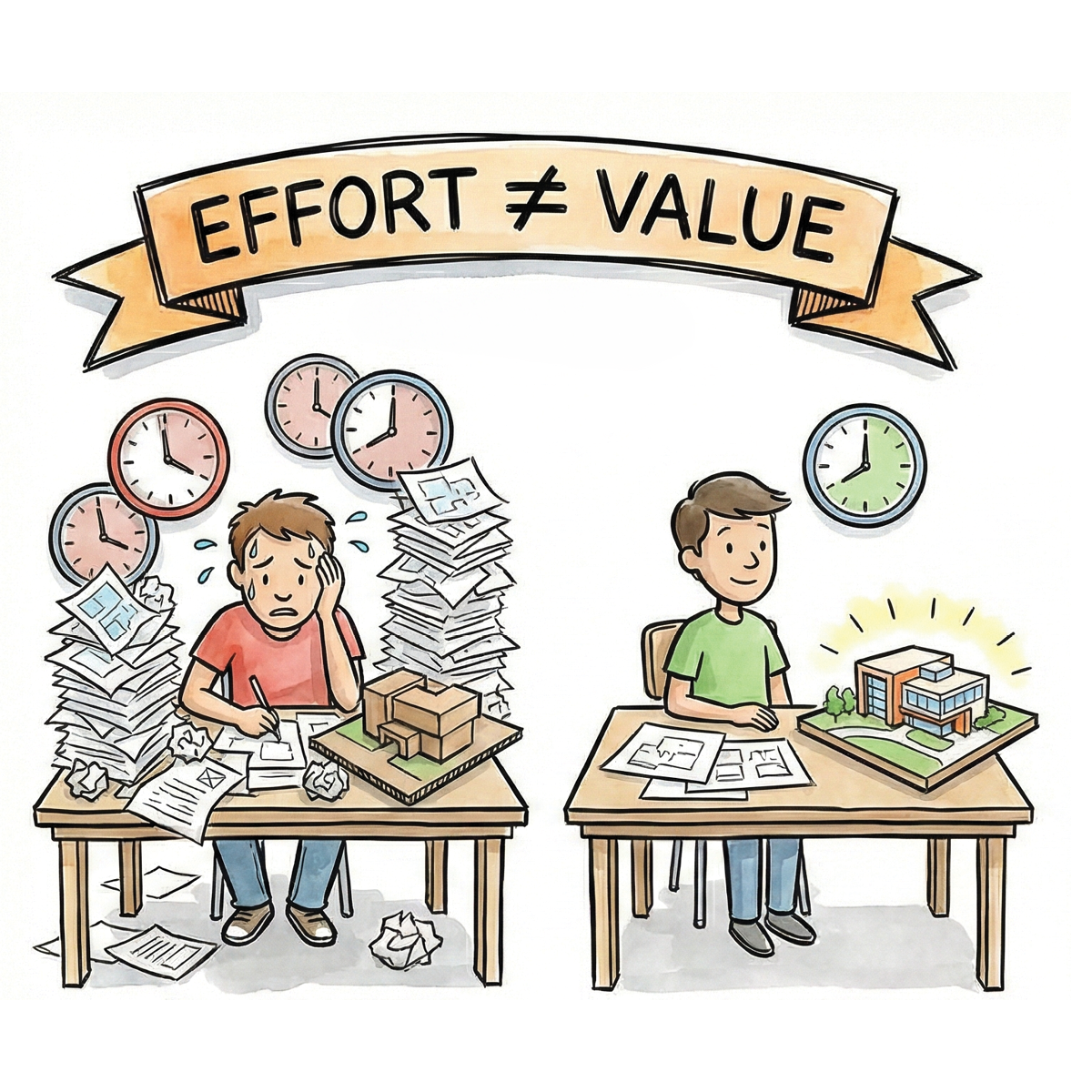
Helping Students SucceedBook Authorship
Drafting the manuscript proposal for How to Survive/Succeed/Thrive in Design School, aimed at providing design educators and students with a clear framework for integrating spatial and systems thinking into studio culture.